Legal and ethical issues in web design.

Intellectual property rights is a law that refers to creations of the mind, such as inventions; literary and artistic works; designs; and symbols which enable people to earn recognition or financial benefit from what they have invented or created..

Privacy is the security level of personal data published via the Internet. it refers to any information that can be used to identify an individual. For example, age and address alone could identify who an individual is without explicitly disclosing their name, as these two factors are unique enough to identify a specific person typically. The most sensitive personal information could be your password. If it gets discovered by hackers, that person’s identity can be stolen or misused.

Libel is a public written text, can also be a drawing, that expose a person to public hatred, shame, disgrace, or ridicule, or induce an ill opinion of a person, that is untrue. For example to call someone a liar or an alcoholic in public writing can invite a lawsuit.

Equality Act 2010 is a piece of legislation to fight discrimination. It protects individuals from unfair treatment and promotes a fair and more equal society.

Obscene Publications Act is relating to the publication of obscene matter; to provide for the protection of literature; and to strengthen the law concerning pornography.

Computer Misuse Act makes it illegal for anyone to access a computer or alter files on a computer without authorization from it’s owner. This act is often used on cyber criminals who deliberately hack themselves into computers or computer systems belonging to individuals and or companies.

Data Protection Act was developed in 1988 in the UK to control how personal or customer information is used by organisations and government institutions. It is meant to protect people´s information from being misused. It can hold companies liable to fines if they don’t follow these rules.

Accessibility
If your business has a website, it should be accessible to disabled users.
For example, a visually-impaired internet user can use a screen reader to translate the contents of web pages using speech synthesisers. If the website does not meet these design standards, the company could be sued for discrimination

Ethical points are things that could affect relationship with clients such as respecting their wishes and listening to their needs. Representation, like who is the target audience. When there isn’t a target audience but the website is meant to represent trust. The age, gender and race thing becomes a refined art and slide shows become a handy tool. Mixed race good looking, middle aged woman on one slide, father and young adult son on the next can go a long way of representing a big proportion of the general population. A website must also be sure not to offend any group of people. Unless it wants to create negative publicity. But in general it can put people off your product.
Computer files

What are they exactly?

A computer file is a resource on the computer, a collection of data which can be a written information, a photo or a graphic. Just as words can be written or drawn onto a piece of paper, information can be written or designed to a computer file. Files can then be edited, sent and shared on the internet.

How do we store files?

Ususally we store our computer files through some kind of system in order to help us find them later. Computers have a system within themselves where they have different automatic storage places depending on the format of the file being saved, whether the file was downloaded or even the date that it was last opened. To make files more accessable to it’s user a good filing system is trivial. Creating a folder that might be relevant to the theme of the file can be a way to store it. Another way could be creating a folder with the names of the people who are likely to need access to it. When a file needs to be used by a big number of people, creating a google doc is a very popular way of storage. When saving between a selected number of people through the internet a dropbox can be a good idea. That can also be a good idea when the file is big, which tends to happen if it contains photos.

How should we name our files?

Naming files may seem a fairly insicnificant thing. However when working in a large workplace, a system of some sort will make things easier for everyone. Things to keep in mind are to try and have the file names short, use underscore or camel case when to be on the safe side. Having the name containing the version number of the file is always good. Same is to be said for the files date, there it is good to keep in mind that format of ordering of the numbers. Not to use dots or hyphens and even start of with the year, rather then day.

What is the difference between the different file formats?

The three big ones are Pdf, jpg and png. PDF stands for a portable document format, which is great for sending files for read only purposes when you want to make sure the embedded fonts, images and hyperlinks are intact, as in not out of place. JPG stands for joint photographic group and is great for sharing and sending images. It compresses and flattens images, without layers. PNG which stands for Portable Network Graphic, differs from JPG in that it supports transparency and is more used for graphic. It compresses through numbers of colours and generally prefers less colours.

Multimedia


Definition

Something that combines various digitals formats in one platform, such as; sound, text, videos, gifs and images.

Products

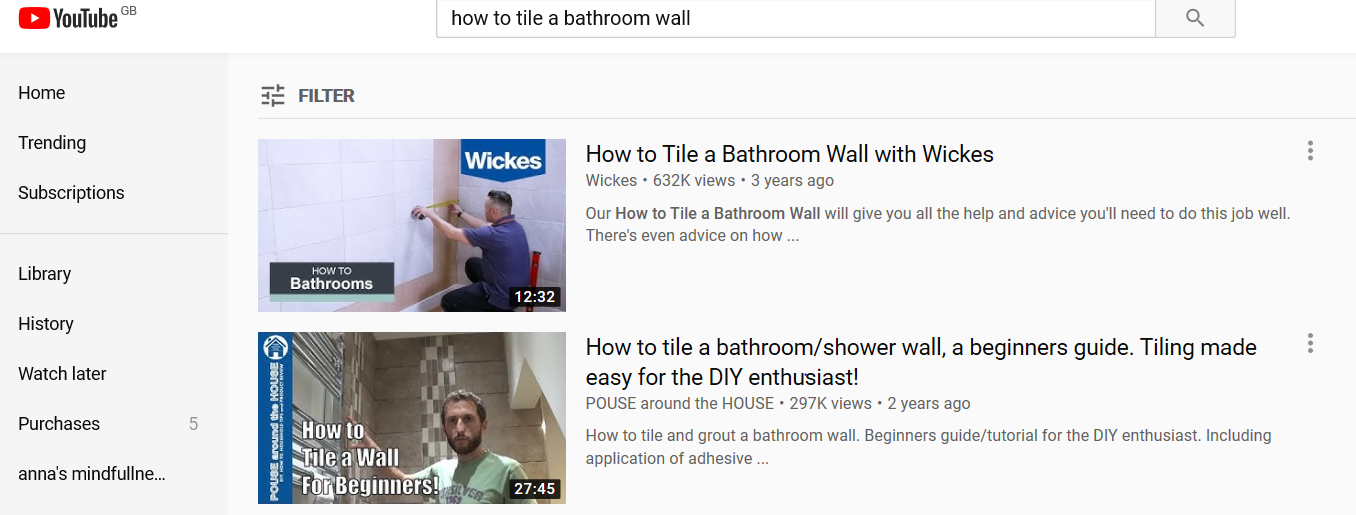
Apps like Facebook, Instagram and YouTube, all use images, videos, sound and text, mostly for recreational purposes. YouTube is a rich source of information that has become increasingly more popular for learning how to do things. Because it’s mainly videos it is very convenient when you want to know how to make a cake, fix your car, tile your kitchen or anything you can think of. It saves time to not having to read through a manual and instead see how it’s done. If a picture says more than a 1000 words, then a video (that you can pause as you go)must be worth ??


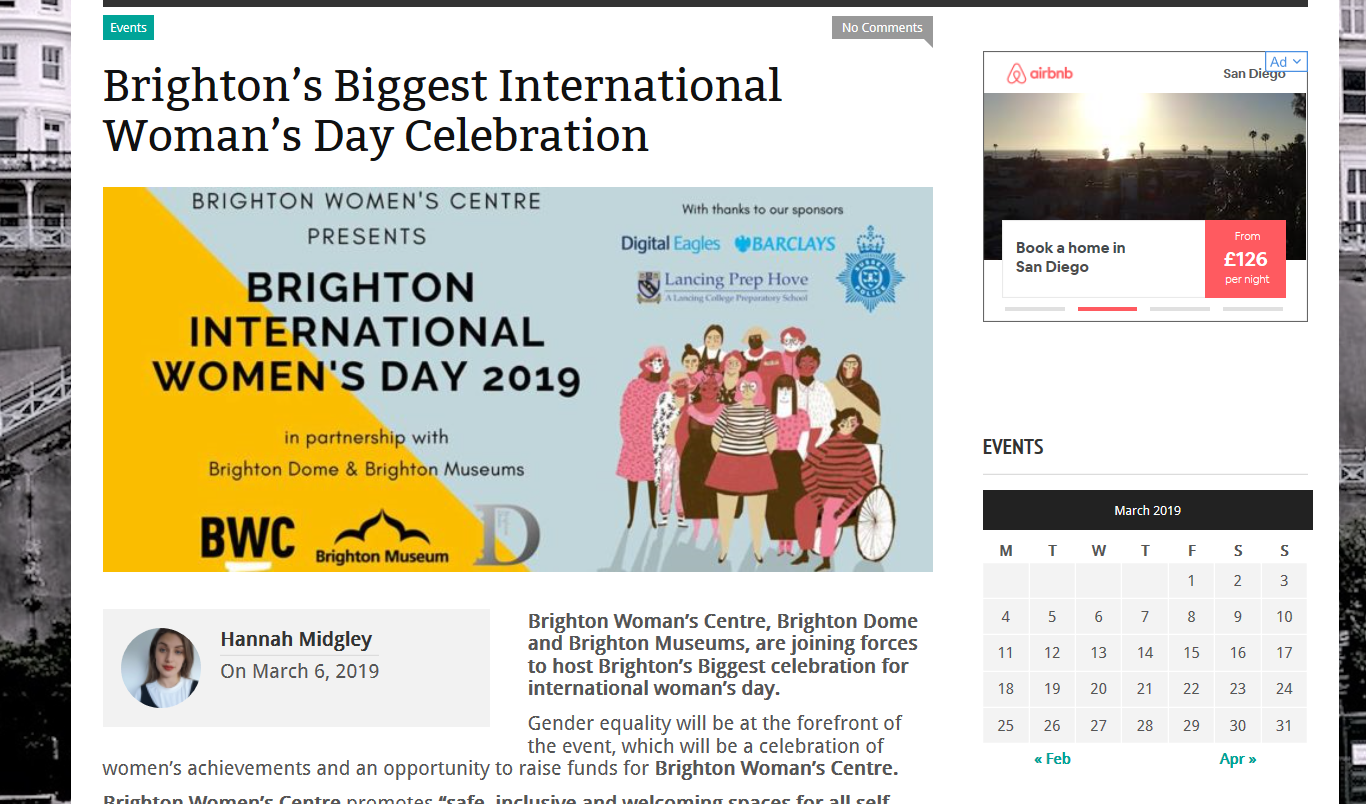
Television, radio and newspapers have all been changing formats in the last few years. TV on demand is very popular because we can now watch tv when it suits our schedule, where as before we had to work our schedule around our favorite tv programs. BBC is one of the biggest media platforms in the UK. On it’s website it offers access to television, radio and written news plus tv and radio programming. Magazines have also been changing platforms in recent years. Online Magazines have the advantage over printed magazines that they can also have video and or sound articles. Their advertisements can also be more divers; with sound and video as well as the standard writing and image.

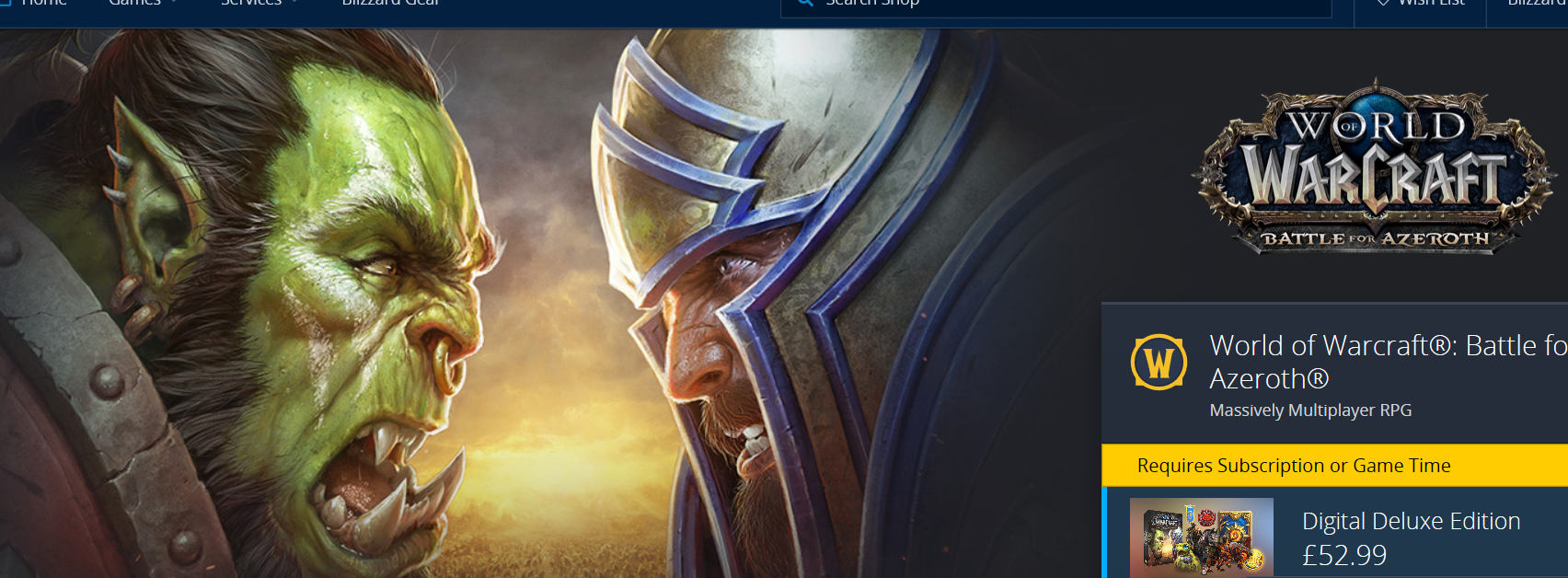
Computer games are a rich form of animation and sound that can be played, on or offline, where people can join to play and exchange conversation in their own chatrooms, with sound. So it similates being physically in the same room as each other, playing a board game.

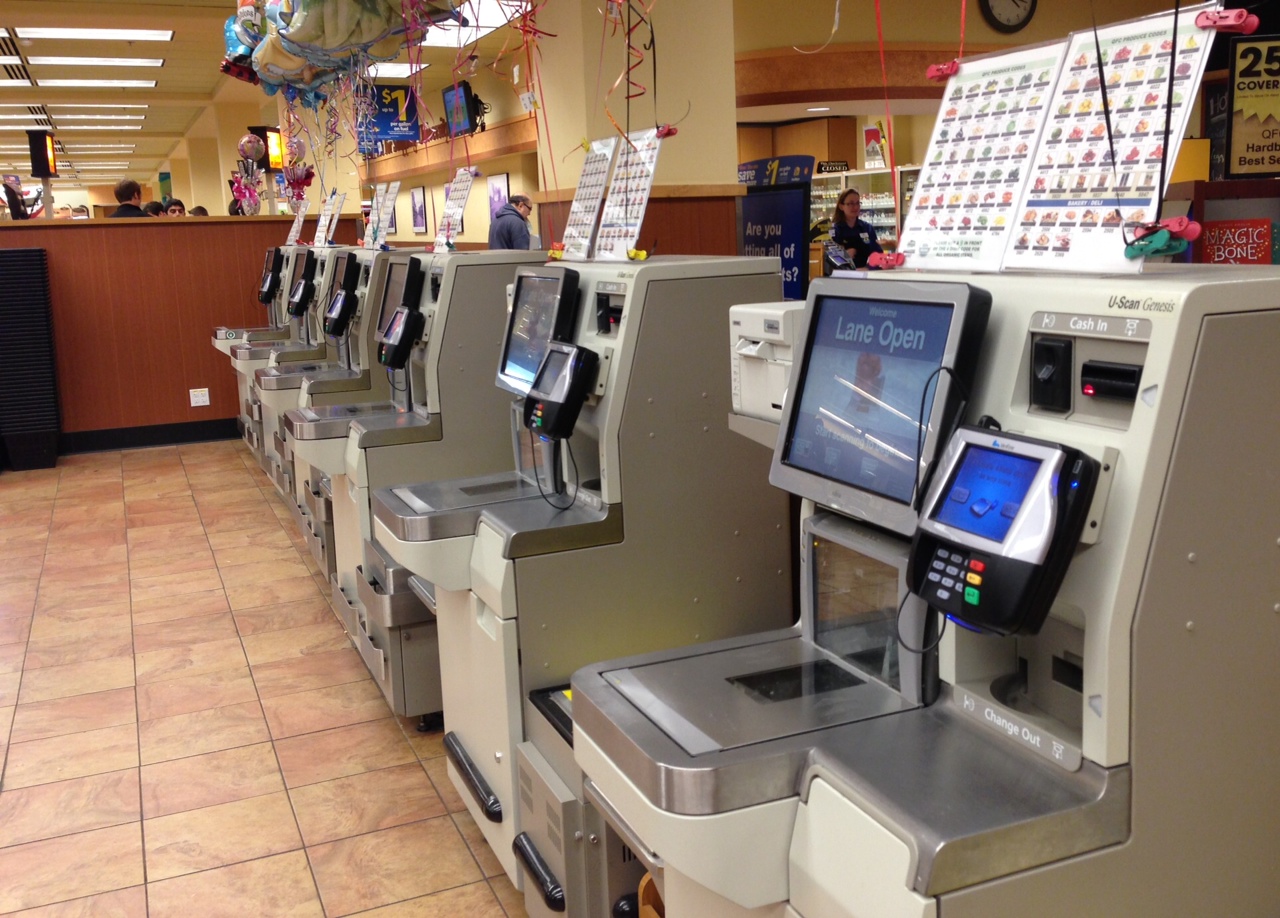
Another platform, worth mentioning is the modern shopping. Not only is it done more online through websites like Amazon, than ever before. When you physically go to the shops you need to go to the self checkout where you scan the products yourself, bag them and pay. All this is done through a self checkout till, which is set up to a price scanner, scale and a card machine.